



Starting preschool is a big milestone. Not just for your child, but for you, too.
In the weeks leading up to the first day, many parents focus on practicing letters, numbers, colors, and even saying goodbye at drop-off. While all of those things can help your child feel more prepared, there's another skill that's often overlooked: Eating independently.
It may not seem like it, but snack time is an important part of the preschool day. Learning to feed themselves, open simple snacks, and sit with classmates during meals can help children feel more confident and comfortable as they settle into a brand-new environment.
Here's why independent eating matters and a few simple ways to encourage it before school starts.
1. Independent Eating Helps Build Confidence
For many toddlers, preschool is the first time they're expected to do everyday tasks without a parent right beside them.
Whether it's hanging up their backpack, washing their hands, or sitting down for snack time, every little success helps build confidence.
Eating independently is one of those small wins.
When children practice feeding themselves at home, they become more familiar with holding food, using utensils, drinking from a water bottle, and recognizing when they're hungry or full. Those experiences can help make mealtimes at school feel a little less intimidating.
2. Independent Eating Helps Mealtime Become Part of the Social Experience
At preschool, snack time isn't just about eating. It's about learning to be part of a group.
Children learn to wash their hands, sit with classmates, wait their turn, enjoy conversations with friends, and clean up when they're finished. These everyday moments help build independence, confidence, and important social skills that they'll use throughout the school day.
When your child feels comfortable feeding themselves, they're able to spend less time figuring out their snack and more time participating in the experience around them.
3. Independent Eating Supports Speech and Oral Development
Learning to feed themselves doesn't just help toddlers become more independent. It also gives them the opportunity to strengthen the muscles they use every day.
As children chew and manipulate a variety of age-appropriate foods, they exercise the muscles in their mouth, tongue, and jaw—muscles that play an important role in speech development.
In fact, research published in Oxford Academic's Child Development found that toddlers who eat independently demonstrate better sentence production and stronger overall language abilities by 24 months.
While language development is influenced by many factors, independent eating is one everyday activity that may help support both oral motor development and communication skills.
4. Independent Eating Helps Develop Fine Motor Skills
Picking up finger foods, grasping utensils, bringing food to their mouth, and coordinating each bite all help strengthen the small muscles and movements they'll continue using throughout childhood.
Research published in PubMed Central found that children who began self-feeding at or before 12 months had a lower risk of developmental coordination difficulties and demonstrated stronger balance and fine motor skills during the preschool years.
Like many developmental milestones, these skills build over time through everyday practice. Mealtimes provide one more opportunity for little hands to grow stronger and more coordinated.
How to Practice Independent Eating At Home
Like any new skill, food independence develops through everyday practice.
Before preschool starts, give your child opportunities to take the lead during meals and snacks by encouraging them to:
- Open their own snack packaging
- Drink from a water bottle or open cup
- Feed themselves using their hands or child-sized utensils
- Throw away wrappers and napkins when they're finished
- Wipe their hands and help clean up
- Sit at the table through a short snack or meal
Remember, the goal isn't perfection. There will be spills, crumbs, and a few dropped bites along the way, and that's completely normal. Every time your child practices these everyday skills, they're building confidence for the classroom.
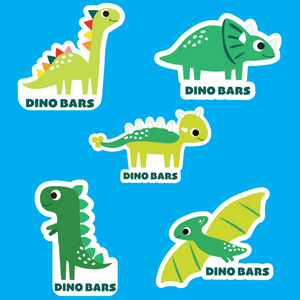
For kids 1+, Dino Bars are designed with little hands in mind, making them an easy option for practicing independent snacking at home before school starts. They're wrapped in edible paper to help reduce crumbs and sticky fingers, so little ones can focus on building confidence, not making a mess.